
Cleaver and Blade Cut #10 The Church of Diet
📖 The New Food Religions
There's a restaurant in Austin that serves only meat. No sides. No garnish. No vegetables unless a cow digested them first. Just beef, organs, and bone marrow on white plates. The wine list is water.
The clientele includes software engineers doing the "Lion Diet" - ribeye, salt, nothing else. They document their journeys in subreddits and Discord channels. "Day 47," reads one post. "Never felt better." The comments section erupts in celebration.
Across town, a vegan tasting menu runs $285. The chef trained at Noma and frames each course as environmental activism. They serve "beet blood," cashew cream, and fermented mushrooms marketed as foie gras. Instagram posts from diners rack up thousands of likes, hashtagged like prayer cards: #plantbased #crueltyfree #savetheplanet.
Both restaurants are booked solid for three months.
Welcome to the new religion. We don't argue about God anymore. We argue about protein.
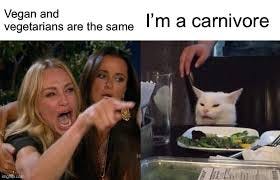
🥩 The Carnivore Reformation
The all-meat movement isn't new. Vilhjalmur Stefansson lived with the Inuit for years in the early 1900s, eating nothing but seal, caribou, and fish. When he returned to New York, scientists locked him in Bellevue Hospital for a year to prove he could survive on meat alone. He did. Thrived, actually.
But Stefansson didn't have Instagram.
Today's carnivore prophets broadcast their ribeye breakfasts to millions. The Liver King ate raw testicles on camera, built an empire on "ancestral living," then admitted in court he was on $11,000 worth of steroids monthly. Didn't matter. His supplement company, Ancestral Supplements, still moves product. The faithful need their faith.
At White Oak Pastures in Georgia - regenerative agriculture's poster child - ribeye runs $32 a pound. Brooklyn butcher shops report customers spending $200-300 weekly on grass-fed beef, calling it "medicine" and "healing food" in online reviews.
The doctrine spreads through podcasts and YouTube: Eat meat. Drink water. Salt to taste. Everything else is poison invented by Big Food. Plants are full of "anti-nutrients" - oxalates, lectins, phytates. Fiber? A conspiracy.
Carnivore coaches charge $300-500 monthly for meal plans that essentially say "eat ribeye." One prominent advocate, an orthopedic surgeon who lost his license but gained a following, sells Zoom consultations for $495. His book - which boils down to "eat meat, lift heavy" - moved 12,000 copies in its first year.
What we're "meant to be" costs about $35 a day.
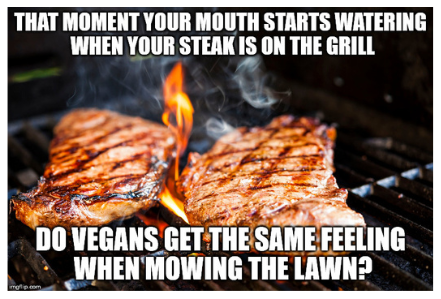
🌱 The Plant Prophets
Pythagoras refused to eat meat 2,500 years ago. So did Buddha. The Jains took it further - some sweep the ground before walking to avoid stepping on insects.
But ancient vegetarians were seeking enlightenment. Modern vegans want engagement metrics.
Los Angeles restaurants now serve $45 cauliflower steaks with QR codes linking to documentaries about factory farming. Servers trained to recite methane statistics with wine pairings.
Vegan bodybuilders with millions of followers post transformation photos next to supplement stacks. One athlete with 1.9 million Instagram followers - never touched meat in his life - promotes proteins sold at 300% markup over wholesale. "You don't need to murder for muscle" reads his bio. His signature protein blend runs $65 a tub.
Beyond Meat - once valued at $14 billion - has crashed 97%. But venture capitalists keep investing. "Lab-grown meat will change everything within five years," remains the Silicon Valley refrain, unchanged since 2015.
It's always five years. In 1974, Frances Moore Lappé said spirulina would end world hunger in five years. In 1999, it was soy. Now it's lab meat. Five years.

🐎 The Mongol Exception
Traditional Mongolians eat mostly meat and dairy - mutton, horse, yak. Vegetables are what food eats. World Health Organization data shows they have some of the lowest heart disease rates globally - until they urbanize.
In Ulaanbaatar, traditional airag (fermented mare's milk) sellers work next to teenagers watching American diet TikToks. The grandmother preparing traditional blood sausage doesn't have Instagram. Her grandchildren follow carnivore influencers who've reinvented her ancestral diet as a $300 monthly subscription.
The Masai of Kenya subsist on cattle blood, milk, and meat. Studies from the 1960s through today show perfect blood pressure, pristine arteries - at least until they move to Nairobi and adopt Western diets.
The Inuit genome shows specific adaptations to seal blubber - enlarged livers, modified CPT1A genes for fatty acid metabolism. Evolution's solution to the all-meat diet. Took about 20,000 years. The carnivore subreddit thinks 30 days is enough for "adaptation."
🌾 The Forgotten Middle
Joel Salatin of Polyface Farm was just a Virginia farmer before Michael Pollan made him famous in The Omnivore's Dilemma. Now Polyface is a pilgrimage site for the regenerative agriculture movement. They charge $400 for farm tours, sell $30-per-pound beef to believers.
"You're not buying meat," Salatin tells the crowds. "You're buying a system. A philosophy."
Maybe. But that philosophy costs more than the median American family spends on groceries in a week.
Small ranchers without book deals or Netflix documentaries sell to Walmart at $4.99 a pound. They don't save the planet. They pay the mortgage.
🔪 The Kitchen Heretics
Industry surveys show line cooks eat differently than anyone else. Standing meals over trash cans. Family meal if lucky. Whatever's about to expire. Quality control tastes that add up to dinner.
The Bureau of Labor Statistics reports median line cook wages at $14.90 hourly. The restaurants where they work serve $300 tasting menus. They eat bodega sandwiches after midnight shifts.
"I don't eat the food I cook," one Michelin-starred sous chef told Eater. "Can't afford it."
The great irony: the people who feed us can't afford the theology they're selling.
💸 The Class Gospel No One Preaches
Here's what nobody at the vegan tasting menu or regenerative butcher shop discusses: this is rich people arguing with rich people about what rich people should eat.
USDA maps show 19 million Americans live in food deserts. Their ideology is Dollar General.
In West Baltimore, the nearest grocery store requires two bus transfers. Corner stores sell Honeybuns and scratch-offs. Nobody's debating grass-fed versus grain-finished.
The Supplemental Nutrition Assistance Program (SNAP) serves 42 million Americans. Average benefit: $6.10 per person per day. The luxury isn't choosing carnivore or vegan. It's choosing at all.
🍜 How the World Actually Eats
In Hanoi's markets, vendors sell everything - dog, snake, sparrow, lotus root, morning glory, fermented shrimp paste. No manifestos. Just lunch.
Osaka's okonomiyaki joints grill whatever you bring - beef, shrimp, vegetables - with cabbage and sauce. Third-generation cooks who've never heard of "macros."
The Mediterranean diet gained fame when researcher Ancel Keys noticed Cretans in the 1960s had incredible longevity. Those Cretans weren't counting anything. They ate what grew on the island, what swam near the island, and drank wine with lunch.
Every Blue Zone eats differently. Okinawans: sweet potatoes and bitter melon. Sardinians: sheep cheese and sourdough. Costa Ricans: beans and corn. None have podcasts. All outlive Americans.
🙏 The Sacred and the Profane
We've always had food rules. Kashrut. Halal. Hindu beef taboos. Catholic fish Fridays. But those connected communities to God, not Instagram.
The Aztecs considered chocolate divine - literally food of gods. Medieval Christians fasted and feasted in cycles - meat for celebration, gruel for penance. They understood something we've forgotten: restriction creates meaning. When everything's available always, nothing's special.
Modern diet tribes offer secular salvation. Sacred texts: documentaries and podcasts. Prophets: influencers with abs. Testimonies: before/after photos. Apostates: ex-vegans, ex-carnivores broadcasting their conversions. Dietary laws: more complex than Leviticus.
🍷 The Last Supper
A New York Times feature documented an Italian-American grandmother in Queens whose Sunday dinners fragmented over two decades. First, her granddaughter went vegetarian. Then her son-in-law went keto. The newest girlfriend is carnivore. The youngest grandson self-diagnosed gluten intolerance.
"I used to make one pot," she said. "Everyone ate."
Now she prepares four different meals. Same table, different plates. "We sit together but eat alone."
That's what we've lost. Not nutrition. Not optimization. The simple act of sharing food without negotiation.
🍲 What We’re Actually Hungry For
Tokyo's late-night ramen-ya don't ask about dietary restrictions. The only sound that matters is slurping. The cook cares that you finish your bowl. That's respect. That's enough.
Anthony Bourdain wrote about these moments - strangers around a table, no common language except hunger. A night market in Taipei. A family meal in a Saigon alley. A grandmother's kitchen in rural Greece. No one photographing plates. No one preaching. Just eating.
Maybe that's what we're actually hungry for. Not the perfect diet. Not the moral high ground. Not the optimization of our protein sources.
Just a table where everyone's welcome. A pot big enough to share. The memory of what it felt like before food became faith, before dinner became dogma.
Before we forgot that the best meals aren't about what you're eating.
They're about who you're eating with.
👻 🍔 Cut # 11: Ghosted — The Future Kitchen You’ll Never See
How delivery-only restaurants are reshaping the game.
It’s not the end of restaurants.
It’s mutation — strange, messy, and more democratic than ever
Stay sharp,
— The Parts De-Boned Crew